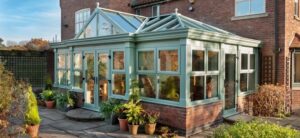
What You Should Be Focusing On Enhancing Conservatory Roof Restoration


Conservatory Roof Restoration: A Comprehensive Guide
Conservatories have long been a treasured addition to homes, supplying a serene space filled with natural light. Nevertheless, like any structure exposed to the aspects, conservatories need maintenance, especially their roofing systems, which are vulnerable to use and damage. In this post, we will delve into the essentials of conservatory roof restoration, exploring its value, common issues, restoration approaches, and maintenance tips to make sure longevity.
Why is Conservatory Roof Restoration Important?
Restoring a conservatory roof is important for several reasons:
- Preservation of Aesthetic Appeal: A well-kept roof boosts the overall charm of the conservatory and, by extension, the home.
- Energy Efficiency: An undamaged roof guarantees that the conservatory stays energy-efficient, preventing heat loss throughout chillier months and lowering cooling expenses in warmer months.
- Structural Integrity: Damage to the roof can result in more significant issues, such as leaks and structural issues. Prompt restoration assists avoid expensive repairs.
- Boosted Comfort: A restored roof produces a more comfortable environment, shielding occupants from weather condition extremes.
Common Issues with Conservatory Roofs
Before a restoration can begin, it is essential to determine typical problems related to conservatory roofings:
1. Leaks
Leaks are normally the most noticeable issue, frequently triggered by damaged seals or missing out on tiles/panels. They can result from wear and tear, extreme weather condition, or bad setup.
2. Condensation
Condensation can develop up on the within the roof panels, making the conservatory uneasy and harmful furnishings.
3. Weakening Seals
The seals around the roof panels can degrade in time, resulting in spaces and subsequent leaks.
4. Algae and Moss Growth
Moss and algae can accumulate, particularly in shady locations, which might not only impact aesthetics however also the roof's materials by keeping wetness.
5. Thermal Issues
Glazing panels might lose their insulating homes, leading to increased energy intake.
Restoration Methods
Choosing the appropriate restoration technique depends upon the extent of damage determined. Below are some of the most efficient restoration methods:
1. Roof Cleaning
Routine cleaning can significantly enhance the appearance and functionality of your conservatory roof. Specialized cleaning solutions and strategies can be employed to remove dirt, algae, and moss.
2. Seal Replacement
For roofings suffering from leaks due to damaged seals, prompt replacement is important. This typically involves removing the affected panels, replacing the seals, and re-sealing them to guarantee a watertight finish.
3. Panel Replacement
If specific panels are cracked or broken beyond repair, consider replacing them. Make sure that the new panels match the existing ones in regards to design and insulation residential or commercial properties.
4. Insulation Upgrades
If thermal inefficiency is a problem, think about upgrading the insulation. Setting up repair conservatory windows glazing or insulated panels can improve the roof's energy performance.
5. Reinforcing the Structure
In cases where structural integrity is compromised, it might be required to strengthen the whole roof or specific sections. This is especially essential for older conservatories that might not have been developed to contemporary requirements.
Regular Maintenance Tips
To extend the life of a conservatory roof, routine maintenance is important. Here are some tips:
- Regular Inspections: Conduct assessments at least two times a year, particularly before winter and after heavy storms, to recognize potential issues early.
- Rain gutter Cleaning: Keep seamless gutters clear of debris to prevent water overflow, which can trigger damage.
- Cleaning up Panels: Periodically tidy the roof panels to eliminate dirt and avoid algae growth.
- Examine Seals: Regularly check the condition of seals and replace them as required.
- Address Leaks Promptly: Early detection and rectification of leaks can save considerable expenses in restoration.
Frequently Asked Questions about Conservatory Roof Restoration
Q1: How frequently should I have my conservatory roof cleaned up?
A: It is recommended to clean your conservatory roof a minimum of two times a year to avoid the build-up of dirt, algae, and moss.
Q2: Can I clean the roof myself?
A: While some homeowners opt to clean their roofing systems themselves, it is typically best delegated professionals who have the ideal devices and know-how to do so safely.
Q3: What should I look for throughout a roof examination?
A: Look for indications of leaks, condensation, damaged panels or seals, and any development of algae or moss.
Q4: How much does conservatory roof restoration cost?
A: The cost of restoration can differ considerably based upon the level of damage and needed work. A fundamental cleansing might cost a couple of hundred dollars, while structural repairs might encounter the thousands.
Q5: Is it worth restoring an old conservatory?
A: Restoring an old conservatory can improve the home's value, improve energy effectiveness, and develop a more satisfying area. It is typically thought about a rewarding investment.
Conservatory roof restoration is vital for preserving the aesthetic and functional benefits that this treasured area offers. By being proactive in determining common issues, using effective restoration techniques, and sticking to routine maintenance practices, property owners can preserve their conservatories for years to come. A restored conservatory not just adds worth to the home but also offers a comfortable and stunning space for relaxation and pleasure.